

Reclaiming confidence in every swallow
A place to learn about the fear of swallowing and choking, connect with others, and access resources that bring clarity and confidence back to eating.
Who we are
Phagophobia.com is a dedicated space for understanding the fear of swallowing and choking, especially when the body is functioning normally, but the experience doesn’t feel that way.
We aim to educate, connect, and support individuals navigating this often confusing and isolating experience. Whether you’re dealing with anxiety around eating, avoiding certain foods or pills, or struggling with persistent sensations like something being stuck in your throat, you are not alone.
Through clear, accessible education, shared experiences, and community insights, we are building a better understanding of phagophobia, including what it feels like, why it happens, and how people move forward.
This platform also helps gather real-world information from the public to improve awareness, guide future resources, and bridge the gap between patient experience and clinical understanding.
If you’d like to take an anonymous survey to help our community to understand more about how photophobia impacts you, please take the 5 minute survey.
What is phagophobia?
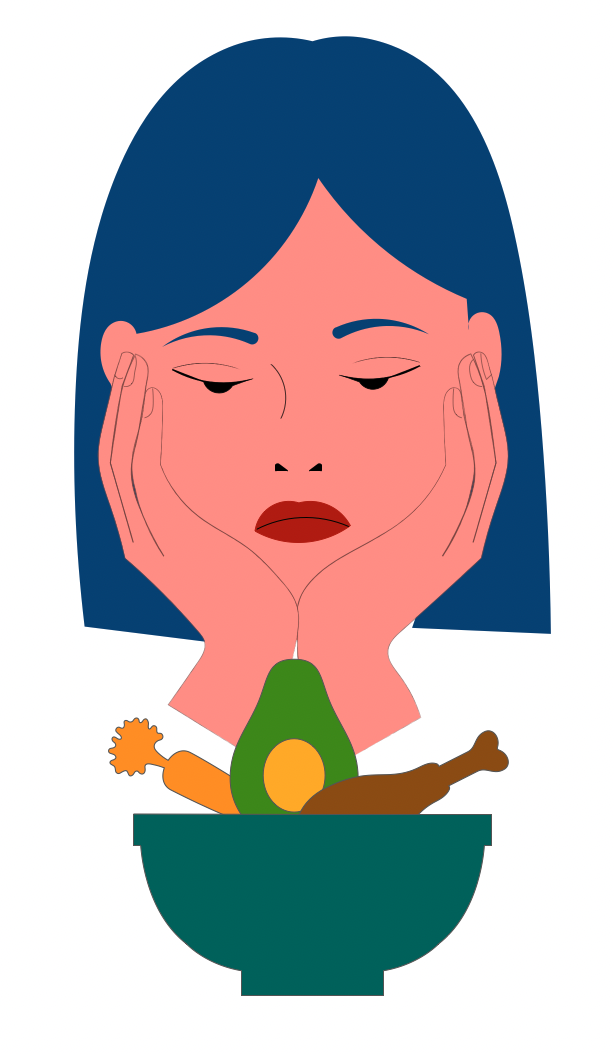
Phagophobia is a fear of swallowing or choking that occurs even when the swallowing system is physically normal.
For many people, this experience is confusing. Eating may feel unsafe, unpredictable, or effortful, even when medical tests show that the muscles and structures involved in swallowing are working as they should.
This disconnect between how swallowing feels and how it is actually functioning is at the core of phagophobia.
What Does Phagophobia Feel Like?
People with phagophobia often describe:
A persistent fear of choking
Feeling like they might forget how to swallow
Overthinking every step of the swallowing process
A sensation that food is stuck in the throat (often called globus)
Needing to eat very slowly or carefully
Avoiding certain foods, or many foods altogether
Avoiding pills
Feeling anxious eating alone or in front of others
Over time, eating can shift from something automatic and enjoyable to something that feels highly controlled and stressful.
How Does It Start?
Phagophobia can begin in different ways, including:
After a choking incident (even a mild one)
After witnessing someone else choke
During or after a period of high anxiety or stress
Following an illness, medical procedure, or new bodily sensation
Sometimes without a clear trigger
What begins as a moment of awareness or concern can develop into a pattern of anticipation, avoidance, and heightened sensitivity.
Why Does It Get Worse Over Time?
Without the right understanding, people often try to protect themselves by:
Avoiding certain foods
Eating less
Taking extra precautions
Monitoring every swallow
While these strategies make sense in the moment, they can unintentionally reinforce the fear and make swallowing feel even less automatic over time.

Is Swallowing Actually Impaired?
In many cases, no.
Phagophobia is different from conditions where there is a clear physical swallowing disorder. Instead, the issue lies in how the brain is interpreting and responding to the act of swallowing.
Swallowing is normally an automatic process. When it becomes the focus of intense attention, monitoring, and fear, it can start to feel unfamiliar or difficult, even though the underlying function is intact.
Learn more about normal swallowing and disordered swallowing physiology from Dr. Ianessa Humbert’s ‘The Swallow Coach’ tutorials on YouTube.
Common Misunderstandings
“If it feels this real, something must be physically wrong.”
The sensations are real, but they don’t always indicate a physical impairment.“Normal test results mean nothing is happening.”
Normal results are actually important, they help rule out structural problems.“I just need to be more careful.”
Increased control and monitoring can sometimes make symptoms worse.
Can It Improve?
YES!
With the right information and approach, many people are able to:
Rebuild confidence in their swallow
Expand food variety
Reduce fear and overthinking
Return to more natural, automatic eating
The first step is understanding what you’re experiencing and recognizing that you’re not alone.
Consider a virtual consultation with an expert (English only).
You’re Not the Only One
Phagophobia is more common than it seems, but it’s often under-recognized and misunderstood.
That’s why this site exists:
To provide clear, accurate education
To share real experiences
To help connect people with the right kind of support

Get help.
If you’re struggling with a fear of swallowing or choking, whether it’s been recently or for years, you don’t have to navigate it alone. Even when tests are normal, the experience can feel very real and disruptive to daily life. All consultations are in English.
At Swallowing Wellness, we specialize in helping individuals make sense of these symptoms, separate fear from function, and take practical steps toward more confident, comfortable eating.
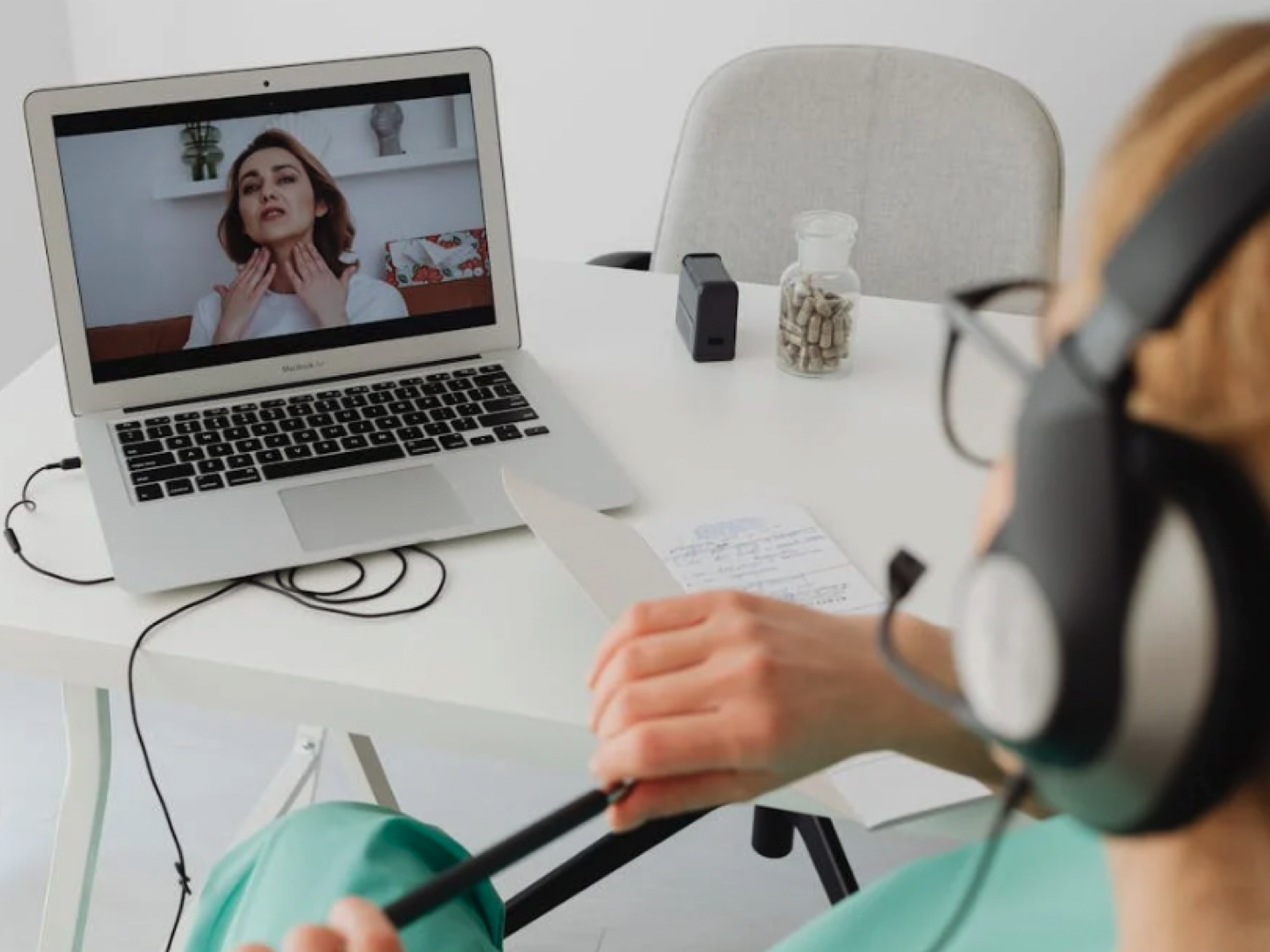
Virtual consultations are available for individuals seeking clarity, guidance, and a path forward.
What to expect in your consultation
A chance to ask questions
Guidance about possible next steps
A review of your medical records (if provided)
General information about rehabilitation options
An educational discussion about swallowing concerns
What will not be provided in your consultation
A diagnosis
A treatment session
A replacement for in-person medical care
An establishment of a patient-provider relationship
A medical or speech-language pathology evaluation
Consultation Fees
$75 - 30 minute consultation
$125 - 60 minute consultation
Our Team

Dr. Ianessa Humbert is the Founder and CEO of Swallowing Wellness and the Swallowing Training and Education Portal. She is a world-renowned scientist, researcher, educator, speech-language pathologist, and highly sought-after speaker with 25 years of expertise in swallowing and swallowing disorders.
Swallowing Wellness is the world’s first outpatient for people with swallowing disorders and provides specialized care for individuals with phagophobia.
Access Dr. Humbert’s publications here.
Co-FounderIanessa Humbert, Ph.D

Co-FounderElisabeth Naux
Elisabeth Naux is a French speech-language pathologist specialized in ENT disorders, oral feeding, and oromyofunctional disorders, for over 25 years.
She is a university lecturer, trainer, and author of many articles for healthcare professionals and the general public.
Over many years, she has developed specific expertise in the speech-language pathological treatment of phagophobia and has already trained nearly 200 SLPs in France and several European countries.
Contact Us
Interested in working together or asking a question? Fill out some info and we will be in touch shortly. We can’t wait to hear from you!